Transforming a website into an Android mobile app is a strategic step that allows companies to expand their market presence and attract new users. The mobile application provides users with a comfortable and adapted interaction with the functionality and content of the website on Android smartphones and tablets. Successfully transforming a website into an application requires a careful approach to planning the development process, choosing the optimal tools and following recommended practices. By the way, order a transformation can order the conversion of aa href="/">website
Defining tasks and functional requirements
The first step in creating an application is to accurately define the tasks and functional requirements that should be implemented in a mobile product. To do this, it is necessary to analyze in detail the architecture and content of the website, identifying the key elements to be integrated into the application. These may include news sections, a product or service catalog, a shopping cart, a user registration and authentication system, and other relevant components.
authentication systems, and other significant
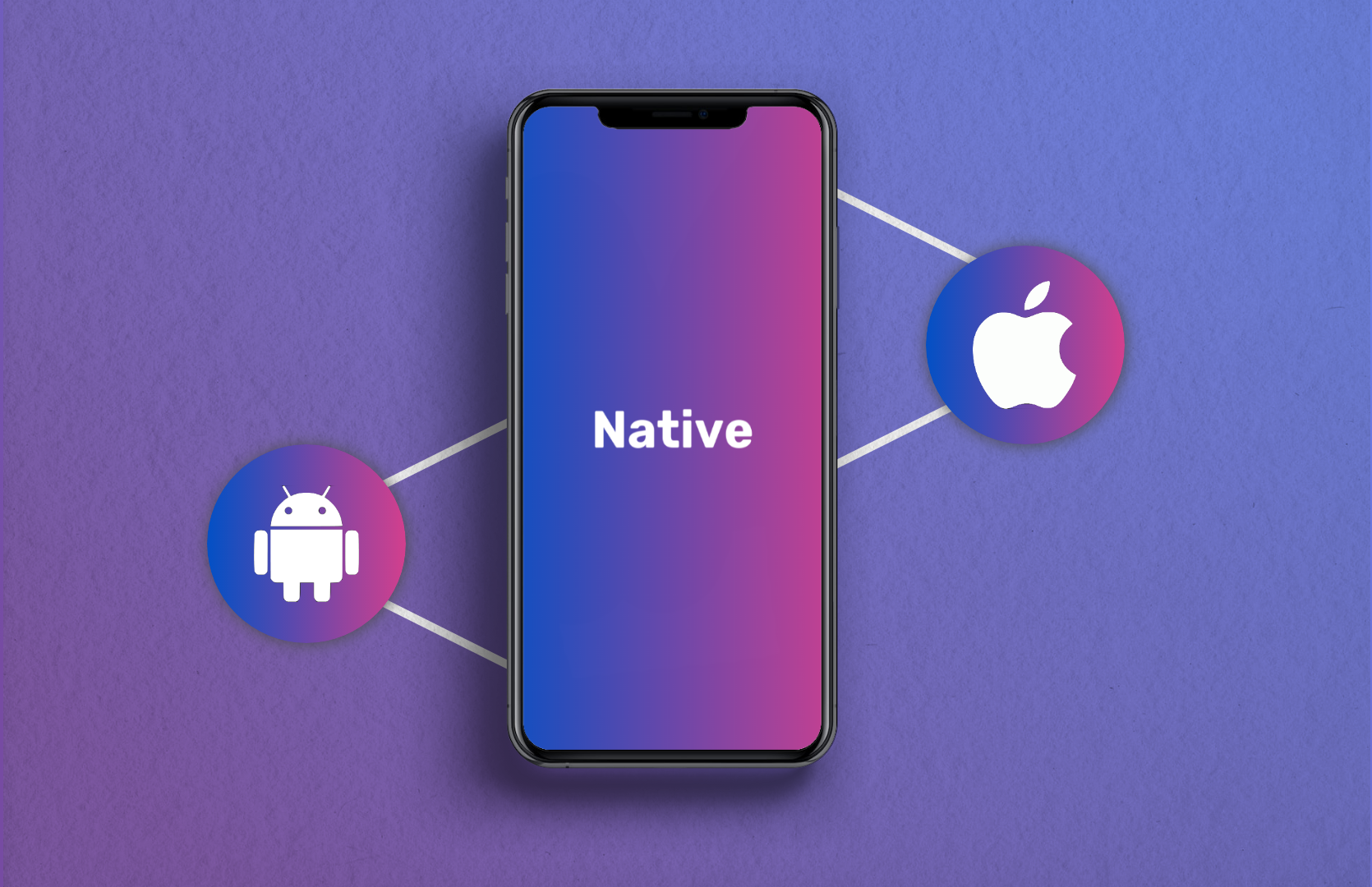
The next step is to determine the most appropriate strategy for developing a mobile application. Among the options available are native development, the use of cross-platform frameworks, and the use of web technologies. The native approach involves creating an application using Java or Kotlin programming languages and the Android SDK. This ensures a high level of performance and full access to the device's native features.
Cross-platform development, implemented using frameworks such as Flutter or React Native, makes it possible to create applications compatible with various operating systems, including Android and iOS, based on a single code base. This approach significantly reduces development time and minimizes associated costs. An alternative is to use web technologies like Progressive Web Apps (PWA) or frameworks like Ionic that allow you to convert a website into a mobile app. PWAs provide a user experience comparable to native apps and can be installed on a user's device.
App development
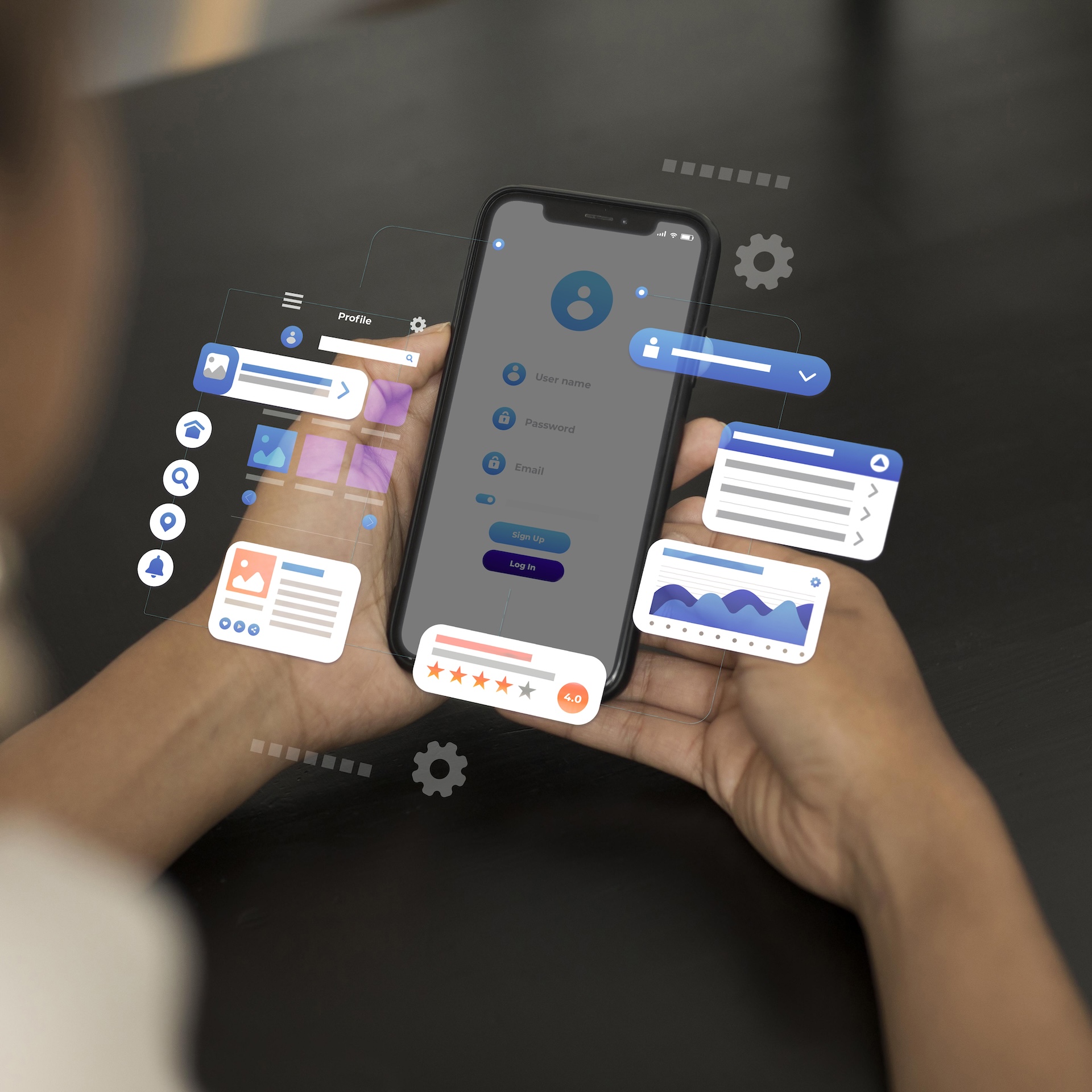
Upon completion of the preparatory stages, the application begins to be directly developed. First of all, it is necessary to design a user interface that is optimized for the specifics of mobile devices and implement functionality in accordance with previously defined requirements. Special attention should be paid to optimizing performance, ensuring the security of user data and conducting comprehensive testing of the application on various devices.
App publishing and support
Before publishing an app on the Google Play Store, you need to prepare accompanying metadata, including a description, screenshots, and an app icon. It is extremely important to strictly follow the guidelines and requirements set by Google for hosting mobile applications. Once the app is successfully published, you should ensure that it is regularly supported and updated in a timely manner. Analyzing user feedback and collecting statistics on app usage will help identify areas that need improvement and identify new features that may be added in future versions.
Design and usability principles
In addition, special attention should be paid to design and usability principles. The interface should be intuitive, provide easy navigation and optimal layout of elements. It is necessary to adapt the content and functionality of the website to the limited screen space of mobile devices, ensuring a comfortable interaction between users and the application.
It is also important to focus on optimizing application performance. This means minimizing load times, rationally using the device's hardware resources and ensuring the smooth operation of the application even when the Internet connection is unstable.
Learn more about how to make an Android app from a website, you can come here.