Not so long ago, gadgets offered a limited set of functions: calls, SMS and some modest entertainment. However, even then it was possible to separate simple games on mobile phones as separate applications. Nowadays, applications for mobile devices have become an integral part of our daily lives. These are special programs developed taking into account the capabilities of modern gadgets.
The purpose of creating such applications is very diverse: from providing services and access to stores to developing entertainment programs and online assistants. By downloading and installing these incredible digital assistants, you are taken into a fascinating world of applications through exciting digital platforms, among which the Google Play and App Store stores are great standouts. Each of them, being a technical masterpiece, is adapted to a specific mobile platform: be it the virtuoso Android environment, innovative iOS or dynamic Windows Phone.
Fundamental differences between a mobile application and a mobile website
It happens that you can confuse a website and a smartphone application. For companies, especially startups and established businesses, creating an app or adapting a website for mobile devices is high on the agenda.
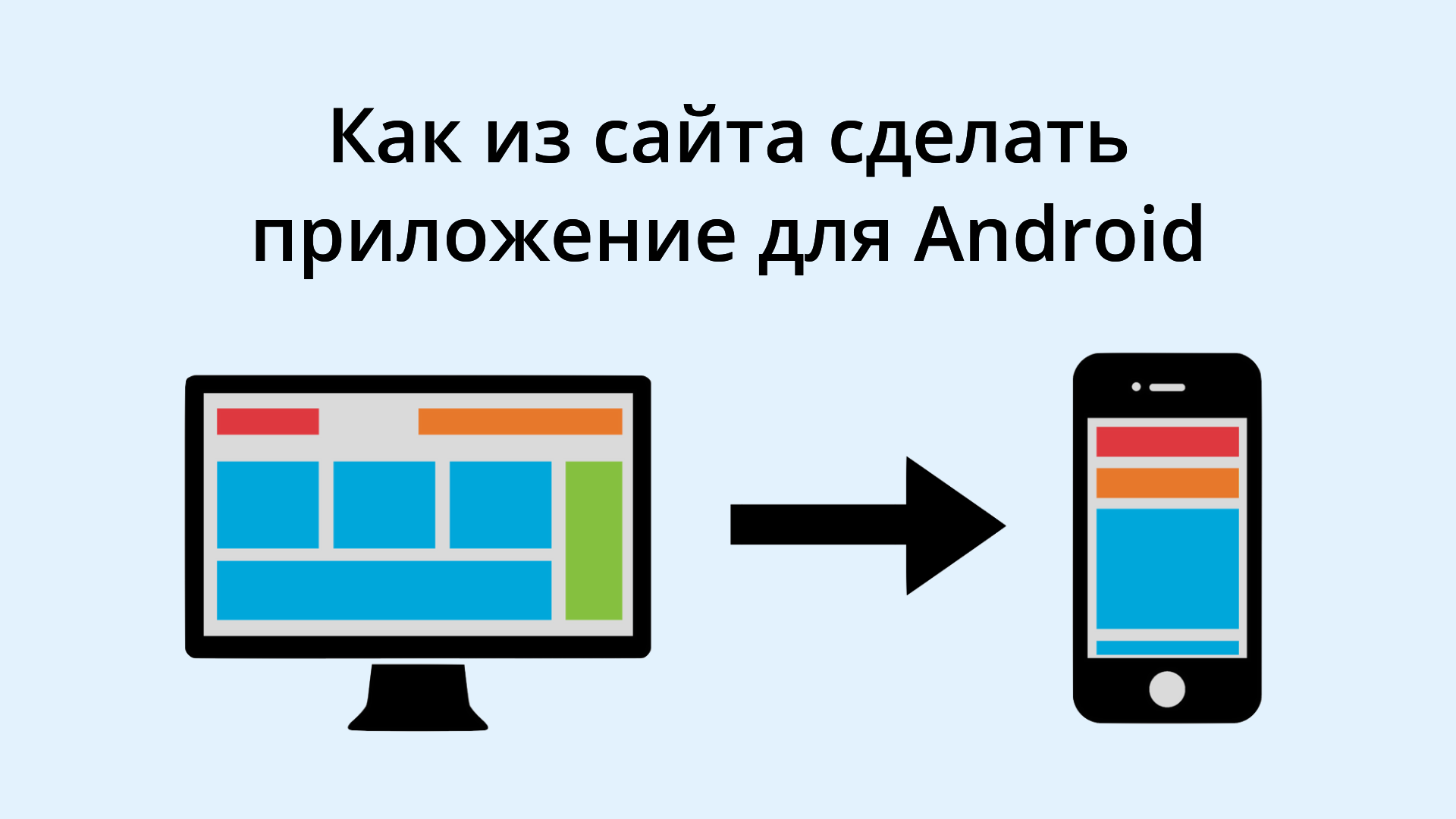
Adapting a website for mobile devices involves revising the appearance and content of pages to better display on smartphone screens. This could be creating a copy of the website for a PC and then adapting it for mobile screens, or a complete redesign taking into account the ease of interaction via touch screens. The adaptive layout method, which adjusts content and design to fit the screen size, is used to easily adapt the PC version to mobile devices. However, with the increase in traffic and sales through mobile devices, mobile apps are becoming preferred for building a customer base.
Mobile sites have a number of advantages: low development costs, versatility and the ability to instantly update. However, their main drawback is their limited ability to interact with visitors, which can negatively impact conversion and lead generation.
In contrast, mobile apps are created as virtual companions designed to make using mobile devices more convenient and immersive. They are customized to the individual features and capabilities of each gadget, making them more personalized and functional. If you want convert website to app, website, you need to consider these features and create an app that will meet the needs of your audience and provide an effective interaction with your brand.
Key advantages of mobile applications
- Users can easily interact with the app thanks to engaging navigation and an intuitive mobile menu that provides access to all its features.
- The application's interface is designed specifically for mobile devices, keeping in mind ease of use on touch screens or with buttons, creating a unique experience for users.
- Users have the opportunity to actively communicate with the company or service through a flexible feedback system, allowing them to share their thoughts, ideas and impressions, which helps improve the application.
- Mobile apps provide an effective user experience, improving communication between you and your audience. They not only provide the opportunity for active communication through messages, Push-уведомления and reminders, but are also able to perform their functions even in the background, staying always connected, even if you are temporarily out of the Internet area.
- Mobile apps can use additional features of your device, such as geolocation, to provide various convenient services, such as ordering food from a nearby restaurant.
- Some apps can track your biological rhythms and remind you of the importance of a healthy lifestyle, acting like a personal trainer and telling you when it's time to take a break from work.
- Mobile applications provide secure storage and use of your personal data, which opens up opportunities for an individual approach and convenience, for example, making an online appointment with a doctor.
Mobile applications have become an important component of digital tools due to their functionality, changing the perception of what is possible in the virtual world. Modern users who value convenience have access to a variety of mobile applications that meet their needs. Each offers something unique, from powerful tools for work and learning to immersive entertainment apps and smart services.
Types of smartphone applications
There are two main areas of mobile applications for smartphones. The first direction of – is the development of applications that improve internal processes within the organization. The second direction of – is the creation of applications that help interact with customers more effectively and implement marketing plans.
Applications created to meet customer needs include the following options:
- A variety of online services, including applications for online banking, tracking deliveries, booking tickets and hotel stays, as well as marketplaces and online stores.
- Loyalty programs provide discount cards, discount apps, cashback and other bonuses.
Among the applications created for internal use in an organization, real treasures are brewing:
- Work and communication optimization includes instant messengers, cloud storage, virtual offices and other tools that improve internal communication and collaboration.
- Business process automation includes applications for automating restaurant orders, shopping at shopping malls, or hotel reservations, which are designed to make life faster and easier.
There are several different types of mobile applications, each of which has its own characteristics and purpose:
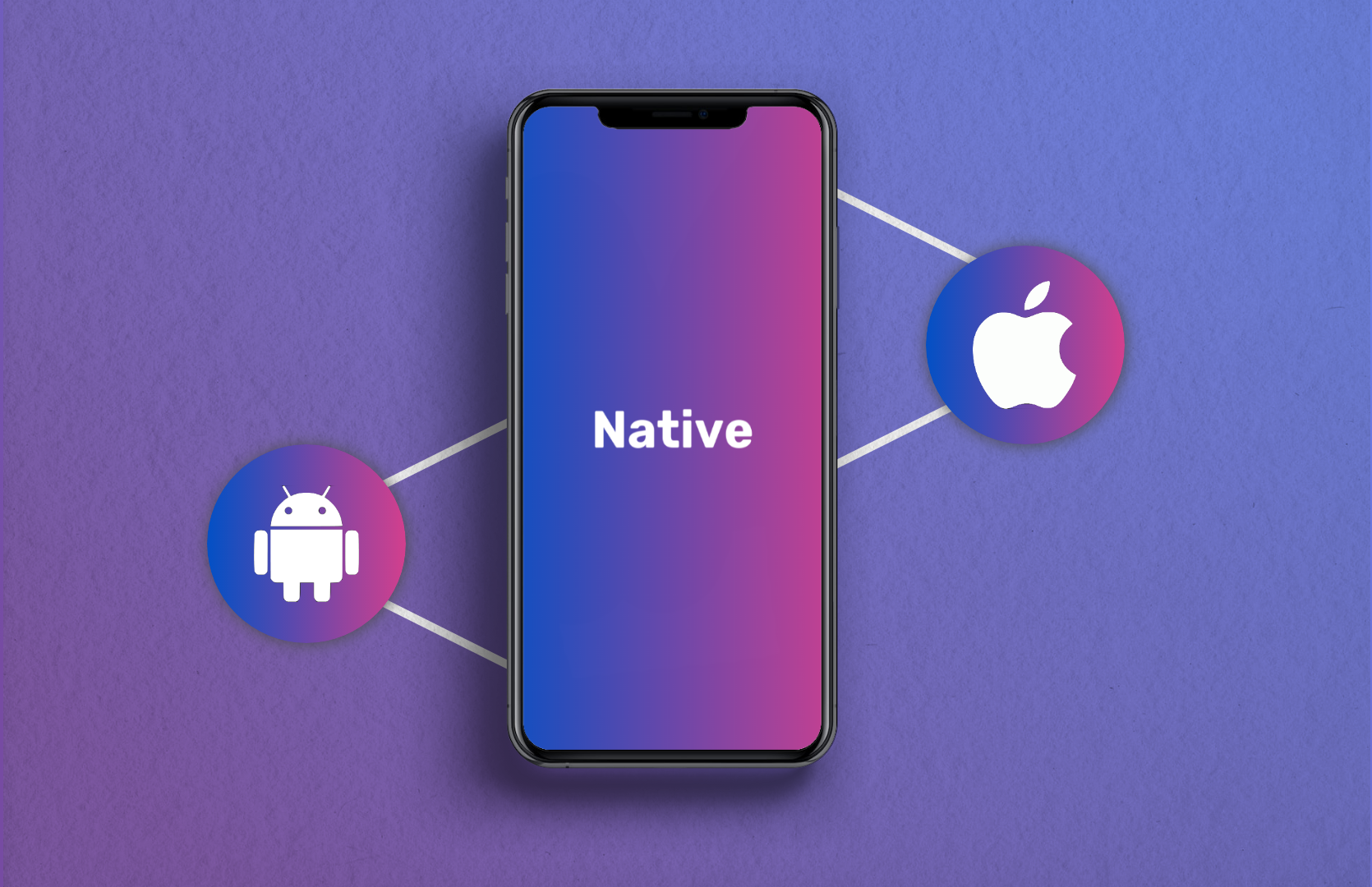
- Native applications. These are applications specifically created for a specific operating system, such as iOS or Android. They offer the best performance and access to all device features, but require additional development time and resources for each platform.
- Hybrid apps are apps that run like real apps on your phone but use web app technologies internally. They can send you push notifications and be available for download from app stores like the App Store or Google Play. Their convenience is that they can be updated automatically without your intervention and often provide more features than simple web apps.
- Mobile web applications and websites. These are applications that are accessible through a mobile browser. They are easily updated and do not require installation on the device, but may have limited access to some device functions and only work when an Internet connection is available.
How mobile applications work
The successful responsiveness of a mobile application directly depends on the coordinated work of two important components: front-end and back-end.
Front-end – is the part of the application with which the user directly interacts. Here you will find various interface elements such as menus, control panel and settings. The front-end is responsible for displaying information and providing convenient interaction with the application.
Back-end – is a part of the application hidden from the user, which is located on the developer’s side. It includes the application backend, which processes user requests and manages the database. The back-end ensures the functionality of the application, processes data and interacts with external services or databases.
Like two halves of a split system, where one is located by the user (front-end) and the other is owned by the developer (back-end), the mobile application functions effectively due to the clear interaction and collaboration of these two key components. Users download mobile apps from virtual stores like Google Play and the App Store, and while enjoying the convenience and functionality, they often don't think about the complex work behind it.
Back-end developers can analyze data from their audience, quickly respond to their requests, improve loyalty strategies and increase sales through mobile channels.
Mobile applications: growth and prosperity of your business
The world of mobile applications provides businesses with ample opportunities for growth:
- Increased sales. Almost half of all transactions are made through mobile apps, and their conversion rate is 3-4 times higher than that of websites.
- Increased loyalty. Mobile presence enables seamless customer interactions through push notifications and personalized offers.
- Automation of business processes. Applications help automate orders, reservations and other transactions, increasing efficiency and quality of service.
- Improved payment processes. Mobile apps make payment easy and secure, encouraging more transactions.
- User behavior analysis. The apps provide valuable data on user behavior to optimize your marketing and develop your business plan.
- Savings on personnel. Some apps automate tasks, reducing staffing costs.
- High-quality customer support. Mobile apps provide instant customer interaction, improving customer satisfaction and strengthening brand connection.
So, we carefully examined the capabilities of the mobile application, identifying its unique features in comparison with the adapted website. The basic principles of its operation were reviewed, and its applicability in various business sectors was assessed.